Elevating Spaces and Brands with Stunning 3D Flowers Art
In the evolving landscape of visual design, the demand for depth, texture, and realism has never been higher. 3D Flowers Art represents a significant leap forward from traditional flat illustrations, offering a dynamic way to capture the essence of nature through digital mastery. Whether you are a graphic designer looking for the perfect asset, an interior decorator seeking unique wall concepts, or a brand manager aiming to refresh your visual identity, understanding the power of three-dimensional floral design is essential. This art form bridges the gap between the organic beauty of a garden and the precision of modern technology, creating results that are not just seen but felt.
Understanding the Depth of Modern Floral Design
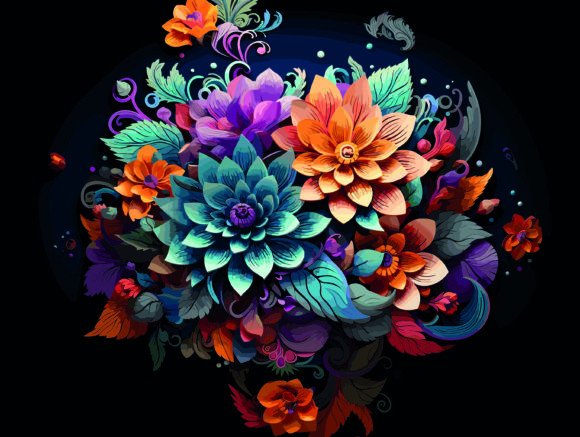
At its core, 3D Flowers Art involves the creation of botanical elements using advanced rendering software to simulate light, shadow, and physical structure. Unlike vector graphics or hand-drawn sketches, which rely on lines and flat colors, 3D models possess volume. They interact with virtual light sources to cast realistic shadows, reflect surfaces, and display intricate textures found in real petals and leaves. This results in images that range from hyper-realistic blooms that look ready to be picked, to stylized, geometric interpretations that feel futuristic and trendy.
The versatility of this medium allows for an endless array of styles. You might encounter vintage inspired roses with soft, muted tones that evoke nostalgia, or modern, minimal succulents rendered in crisp, clean lines. Some designs embrace the cartoon aesthetic for a cute and playful vibe, while others utilize gold and golden finishes to create luxurious, high-end ornaments. The ability to manipulate these elements means that every render can be tailored to specific lighting conditions, ensuring they fit seamlessly into any background or composition.
Addressing Common Design Challenges
Creative professionals and business owners often face specific hurdles when sourcing visual content. One major challenge is finding imagery that stands out in a saturated market. Standard stock photography can feel generic, and flat illustrations may lack the impact needed to grab attention on social media or packaging. Furthermore, maintaining consistency across different mediums—such as a website banner, a product label, and a physical wall mural—can be difficult when working with disparate image types.
Another frequent issue is the need for scalability without losing quality. Traditional photos pixelate when enlarged, and complex illustrations can become muddy. There is also the challenge of customization; clients often need specific color palettes, such as matching a brand's exact shade of green or incorporating a specific fashion trend color, which is hard to achieve with pre-existing photography.
How 3D Flowers Art Provides Solutions
3D Flowers Art directly addresses these pain points by offering unparalleled flexibility and quality. Because these designs are built from the ground up as digital models, they can be rendered at any resolution, making them perfect for everything from small mobile icons to massive billboard advertisements. The depth inherent in 3D rendering adds a layer of sophistication that immediately elevates the perceived value of a project.
When you utilize high-quality 3D floral assets, you gain the ability to control every aspect of the scene. Need a spring theme with bright, colorful tulips? Or perhaps a summer vibe with sun-bleached leaves and warm lighting? These adjustments are intrinsic to the creation process. Moreover, the integration of materials like fabric, metal, or glass into the flower design allows for unique textural combinations that do not exist in nature, providing a truly abstract and creative edge.
Practical Applications Across Industries
The applications for 3D Flowers Art are vast and varied, catering to numerous industries and needs:
- Interior Decoration and Wallpapers: One of the most popular uses is in home and office decor. A botanical themed wallpaper featuring large-scale, realistic 3D blooms can transform a dull room into a vibrant garden sanctuary. These designs work exceptionally well as feature walls, adding texture and depth that paint alone cannot achieve.
- Branding and Packaging: For cosmetic, wellness, and luxury goods, 3D floral elements convey elegance and purity. A perfume box adorned with a golden, metallic rose suggests premium quality, while a skincare line might use soft, dewy 3D petals to imply hydration and natural ingredients.
- Digital Media and Web Design: In the digital realm, 3D flowers serve as eye-catching heroes for websites and engaging posts for social media. Their ability to catch the light makes them pop on screens, driving higher engagement rates compared to flat graphics.
- Fashion and Textiles: Designers use these patterns for fabric prints, creating trendy clothing lines with floral motifs that have a modern twist. The shape and structure of 3D flowers translate beautifully onto textiles, adding a sense of movement to the fabric.
Tailoring Approaches for Different Users
Different users will approach 3D Flowers Art with varying goals, and understanding these perspectives helps in selecting the right assets.
Graphic Designers often look for isolated elements. They need high-resolution PNGs or transparent backgrounds where the flower is isolated, allowing them to composite the image into larger layouts. They value the ability to recolor elements to match client branding instantly.
Interior Designers, on the other hand, focus on the overall composition and mood. They are interested in full sets or seamless patterns that can cover large surface areas. Their priority is how the decorative elements interact with the room's lighting and furniture style, whether it be vintage or contemporary.
Marketing Teams need versatility and speed. They require assets that are ready for commercial use across multiple platforms. For them, the "ready-to-use" nature of professional 3D renders is a massive time-saver, eliminating the need for costly photoshoots or lengthy illustration processes.
Recommendations for Implementation
To get the most out of 3D Flowers Art, consider the context in which the image will be viewed. For digital screens, vibrant, colorful renders with high contrast tend to perform best. For print media, ensure the source files are of sufficient resolution to maintain the crispness of the texture and leaf details.
When selecting a style, think about the emotion you wish to evoke. Geometric and abstract flowers suggest innovation and modernity, ideal for tech or architecture firms. Conversely, realistic and soft blooms communicate warmth and trust, suitable for healthcare or family-oriented brands. Do not shy away from mixing styles; combining a minimal background with a highly detailed, golden floral centerpiece can create a striking focal point.
The Value of Professional Creation
While DIY tools exist, the difference between amateur attempts and professional-grade 3D Flowers Art is stark. Professional renders account for subsurface scattering (how light penetrates petals), accurate physics in how stems bend, and nuanced color gradients that mimic real life.
All designs that we produce are the results of our best work with full creation, ensuring that every petal curve and light reflection is intentional and polished. These results can be used for your commercial needs with confidence, knowing that you are utilizing top-tier assets that respect copyright and offer exclusive quality. By investing in professionally crafted 3D floral art, you are not just buying an image; you are acquiring a versatile tool that enhances your brand's narrative, beautifies your spaces, and captivates your audience with the timeless appeal of nature, reimagined for the modern world.
In conclusion, whether you are refreshing a garden party invitation, designing a new product line, or renovating a living space, 3D Flowers Art offers a solution that is both aesthetically pleasing and practically robust. It merges the beautiful chaos of nature with the order of design, providing a resource that is as functional as it is inspiring.