Exploring the Artistry and Application of Highland Cow Wind Spinner Sublimation 17
The intersection of rustic charm and modern crafting technology has given rise to a unique niche in the DIY and small business sectors: sublimation art featuring Highland cows. Among the myriad of designs available, the Highland Cow Wind Spinner Sublimation 17 stands out as a particularly compelling example of how digital art can be translated into physical, kinetic decor. This specific design, often characterized by its stained glass aesthetic, offers creators a bridge between traditional artistic motifs and contemporary manufacturing techniques. Understanding the nuances of this design file, its technical specifications, and its practical applications is essential for anyone looking to leverage it for personal projects or commercial ventures.
The Aesthetic Fusion of Stained Glass and Rustic Motifs
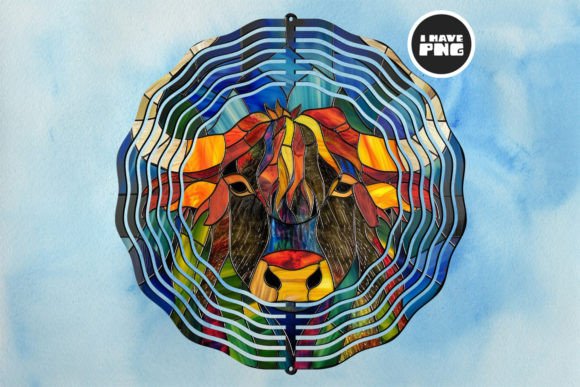
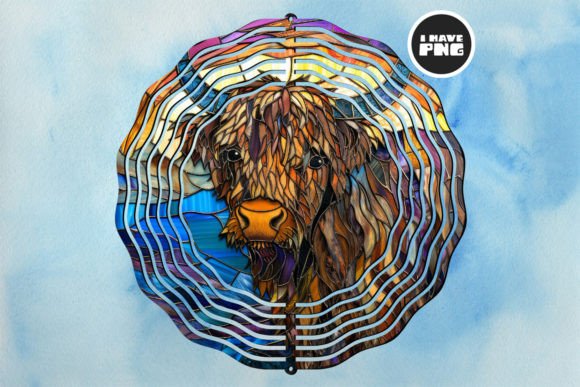
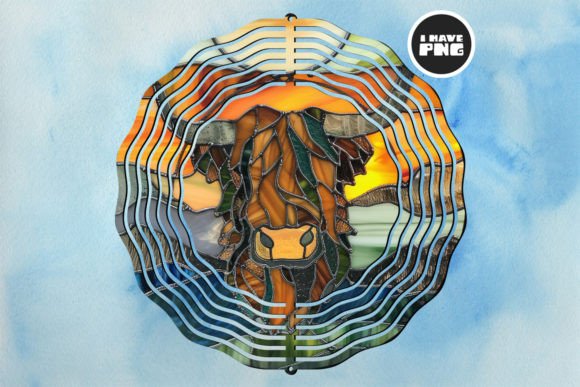
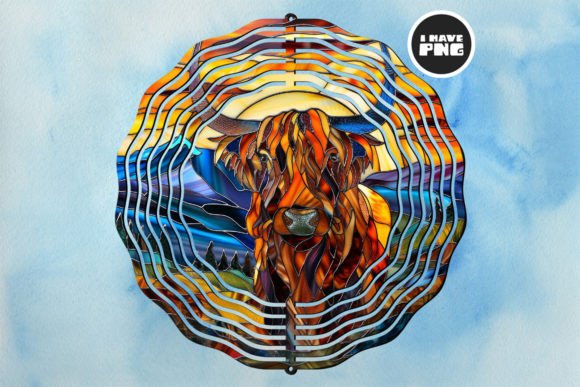
The core appeal of the Highland Cow Wind Spinner Sublimation 17 lies in its visual composition. It does not merely depict a Highland cow; it reimagines the animal through the lens of stained glass artistry. This stylistic choice is significant because it transforms a common subject into something that interacts dynamically with light. In traditional stained glass, lead lines separate vibrant panes of colored glass, creating a mosaic effect that glows when backlit. In the context of a wind spinner, this effect is replicated using sublimation ink on metal or durable synthetic surfaces.
When the sun hits a finished product created from this design, the "stained glass" segments do not just reflect light; they filter it. The intricate details inherent in the 3600x3600 pixel source file ensure that the transition between colors is sharp, avoiding the blurriness that can plague lower-resolution transfers. The Highland cow, with its distinctive long horns and shaggy coat, provides a complex silhouette that benefits greatly from this segmented color approach. The result is a piece of garden art that changes appearance throughout the day as the angle of the sun shifts, offering a level of visual engagement that flat prints cannot achieve.
Technical Specifications and File Integrity
For professionals and hobbyists alike, the quality of the source file is the foundation of a successful sublimation project. The design associated with Highland Cow Wind Spinner Sublimation 17 is typically distributed as a high-resolution PNG file. Specifically, these files are often rendered at 300 DPI (dots per inch) with dimensions of 3600x3600 pixels. This resolution is critical because wind spinners vary in size, but many standard models utilize a 12x12 inch square panel or similar dimensions.
A 300 DPI resolution ensures that when the image is printed at 12 inches, there is no pixelation or loss of detail. The PNG format is equally important due to its support for transparency and lossless compression. Unlike JPEGs, which can introduce artifacts around sharp lines—a disaster for a design mimicking the clean lines of stained glass—PNGs maintain the integrity of the color boundaries. It is important to note that these files are generally non-editable regarding the core artwork. This means the color palette and line work are fixed, ensuring the artist's original vision of the stained glass effect remains intact. Users receive a square file ready for immediate positioning within their design software, streamlining the workflow from download to print.
Practical Applications Beyond the Standard Spinner
While the primary intended use for this design is obviously wind spinners, the versatility of the Highland Cow Wind Spinner Sublimation 17 allows for a broader range of applications. Creators who understand the properties of sublimation can adapt this design for various substrates, provided they can accommodate the square aspect ratio and the specific color profile.
- Garden Flags and Banners: The vibrant colors and high contrast of the stained glass style make this design ideal for outdoor flags. The durability of sublimated polyester ensures the colors resist fading under UV exposure longer than many other printing methods.
- Decorative Tiles: Ceramic tiles coated for sublimation can serve as standalone garden markers or wall art. The rigid surface of a tile complements the geometric nature of the stained glass pattern.
- Metal Signs: Aluminum sheets designed for sublimation offer a sleek, modern look. When used outdoors, the metal substrate adds weight and stability, preventing the art from twisting excessively in high winds compared to lighter materials.
- Apparel and Totes: Although less common for garden-themed art, the design can be applied to all-over-print clothing or tote bags, appealing to consumers who want to carry the rustic aesthetic with them.
Each of these applications requires slight adjustments in the production workflow, such as heat press time and temperature, but the source asset remains the constant variable that guarantees brand consistency across different product lines.
The Sublimation Workflow for Kinetic Art
Executing a project with the Highland Cow Wind Spinner Sublimation 17 design requires a disciplined approach to the sublimation process. The journey begins with mirroring the image. Since sublimation transfers the ink from the paper to the substrate in reverse, failing to mirror the PNG file will result in a backward image, which may be noticeable depending on the symmetry of the cow and the background elements.
Once mirrored and sized to the specific dimensions of the wind spinner blade or panel, the image is printed onto high-quality sublimation paper using dye-sublimation inks. It is crucial to use a color profile that matches the printer and paper combination to ensure the blues, reds, and ambers of the stained glass effect pop correctly. After printing, the paper is secured to the substrate—often a coated aluminum sheet shaped for aerodynamics—using heat-resistant tape.
The pressing phase is where the magic happens. The heat opens the pores of the polymer coating on the metal, and the ink turns into a gas, bonding permanently with the material. For wind spinners, even pressure is vital to avoid ghosting or blurring, which would ruin the crisp "lead line" effect of the stained glass design. Once cooled, the result is a scratch-resistant, weather-proof image that is part of the material rather than sitting on top of it.
Market Relevance and Consumer Appeal
From a business perspective, understanding why consumers are drawn to this specific type of decor is key to marketing it effectively. The Highland cow has transcended its agricultural roots to become a pop-culture icon, symbolizing coziness, nature, and a touch of whimsy. When combined with the timeless elegance of stained glass, the appeal widens to include individuals who appreciate traditional craftsmanship but desire modern convenience.
The Highland Cow Wind Spinner Sublimation 17 taps into the "cottagecore" and rustic farmhouse trends that have dominated interior and exterior design for several years. However, unlike static decorations, a wind spinner adds a kinetic element to a garden. It draws the eye through movement, making it a focal point in landscaping. For retailers and Etsy sellers, this design offers a unique selling proposition: it is not just another picture of a cow; it is an interactive light sculpture powered by the wind.
Furthermore, the durability of sublimated products addresses a common consumer pain point: weather resistance. Garden decor often suffers from peeling vinyl or fading paint after a single season. By highlighting the permanence of the sublimation process and the high-DPI quality of the source file, sellers can justify premium pricing and build a reputation for quality. The fact that the design mimics stained glass without the fragility of actual glass is a significant advantage for outdoor safety and longevity.
Considerations for Design Implementation
While the Highland Cow Wind Spinner Sublimation 17 file is robust, successful implementation requires attention to detail regarding the final product's shape. Wind spinners are rarely perfect squares; they often feature curved blades or circular hubs. Designers must consider how the square 12x12 inch image will be cropped or wrapped around these shapes. Important details of the cow's face or the intricate glass patterns should be centered to avoid being cut off by the hardware or the curvature of the spinner.
Additionally, color management is paramount. Sublimation colors can appear differently on various substrates. A design that looks vibrant on a white-coated aluminum sheet might appear slightly muted on a silver or brushed metal background if the coating is not purely white. Testing a sample batch is always recommended before committing to a large production run. This ensures that the "stained glass" colors retain their saturation and that the black outlines remain distinct, preserving the intended artistic effect.
In conclusion, the fusion of the Highland cow motif with stained glass aesthetics, delivered through a high-fidelity sublimation file, represents a sophisticated opportunity for creators. It bridges the gap between digital convenience and tactile beauty. Whether used for a solitary garden accent or as part of a larger product line, the Highland Cow Wind Spinner Sublimation 17 demonstrates how thoughtful design and proper technical execution can elevate simple materials into captivating works of art. By respecting the technical requirements of the file and understanding the market dynamics of rustic decor, artisans and businesses can create products that resonate deeply with consumers seeking beauty, durability, and a connection to nature.