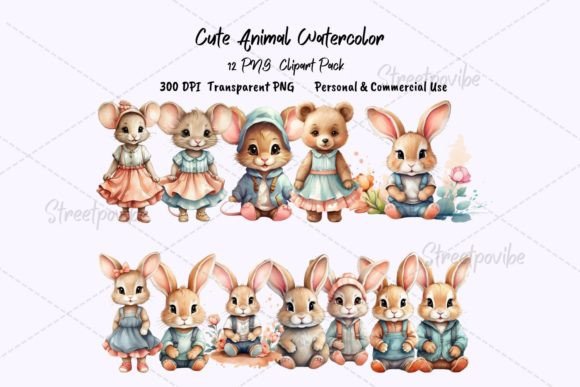
Unlocking Creative Potential with the Teddy Bear Watercolor Clipart PNG Pack
There is a distinct charm in watercolor art that digital vectors often struggle to replicate. The soft bleed of colors, the texture of the paper, and the organic imperfections bring a warmth to design projects that feels inviting and authentic. When you integrate a Teddy Bear Watercolor Clipart PNG Pack into your workflow, you are not just adding an image; you are injecting personality and nostalgia into your brand or personal creations. However, many creators, from seasoned graphic designers to enthusiastic hobbyists, often overlook critical technical details when selecting and utilizing these assets. Making the wrong choice here can lead to pixelated prints, frustrating editing sessions, or even legal headaches down the road. Let's explore how to navigate this landscape effectively so you can maximize the value of your digital purchases.
Understanding the Value of High-Resolution Assets
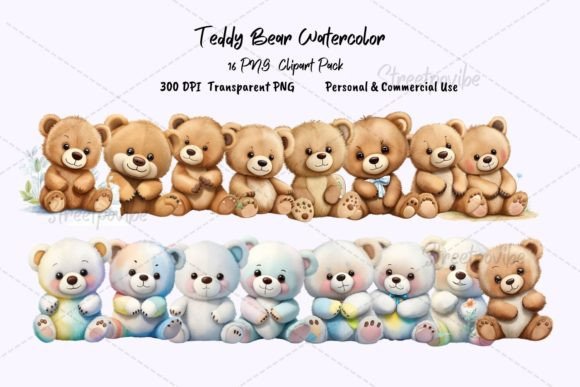
The most common misconception among beginners is assuming that all clipart looks the same on a screen and will therefore look the same in print. This is rarely the case. A standard web image might look crisp on a smartphone, but when scaled up for a t-shirt or a large banner, it can turn into a blurry mess. This is where the specifications of your chosen pack matter immensely. A premium Teddy Bear Watercolor Clipart PNG Pack should offer files that are substantial in size and resolution. Specifically, looking for images sized at 2000 x 2000 pixels with a resolution of 300 DPI (dots per inch) is non-negotiable for professional results.
Why does this specific combination matter? The 2000-pixel dimension ensures you have enough canvas space to work with. Whether you are placing a cute bear on a small sticker or centering it on a oversized tote bag, you have the flexibility to scale the image without losing detail. The 300 DPI standard is the industry benchmark for high-quality printing. If you attempt to print an image at 72 DPI (standard screen resolution), the output will appear jagged and unprofessional. By starting with high-resolution source files, you future-proof your designs, ensuring they look fantastic whether they end up on a digital journal page or a physical mug.
The Critical Importance of Transparent Backgrounds
Another area where creators often stumble is ignoring the background format. You might find a beautiful watercolor bear, but if it comes with a white square box around it, your design options become severely limited. Trying to remove a white background from a watercolor image using basic tools often results in halos or lost details, especially with the soft edges characteristic of watercolor painting. This is why securing a PNG images with transparent background is essential.
Transparent PNGs allow the artwork to sit seamlessly on any colored surface or textured background you choose. Imagine designing a website header with a pastel gradient; a transparent clipart element blends perfectly, whereas a white-boxed image would look like an afterthought. For entrepreneurs creating product mockups for phone cases or decorative elements for a blog, transparency saves hours of editing time. It allows for layering, which is crucial for creating depth in digital art. Always verify that the "transparent" claim holds true by opening the file in your preferred software before committing to a large project.
Avoiding Common Usage and Licensing Pitfalls
Beyond technical specs, there are strategic mistakes people make when integrating these designs into their business or personal projects. One frequent error is failing to check the licensing terms thoroughly. Just because you purchased a bundle does not automatically grant you unlimited commercial rights. Some packs are for personal use only, while others allow for unlimited sales of physical products like t-shirts and mugs but restrict digital resale. Using a personal-use asset on a product you intend to sell can lead to copyright strikes and financial loss. Always read the license agreement included with your Teddy Bear Watercolor Clipart PNG Pack to understand exactly what is permitted.
Furthermore, many users underestimate the versatility of a well-crafted bundle. They might buy a pack intending to use it for a single baby shower invitation and then let the files gather digital dust. This is an inefficient use of resources. These designs are perfect for a wide array of applications: t-shirts, mugs, phone cases, stickers, digital art, decorative elements to your website, digital journal and much more. A smart approach is to brainstorm a content calendar or a product line before you even download the files. Plan how a single bear illustration could be adapted for a sticker sheet, a social media post, and a newsletter header. This mindset shift turns a simple purchase into a comprehensive branding toolkit.
Practical Steps for Evaluation and Implementation
Before you finalize your decision or begin your design process, take a moment to evaluate the quality and suitability of the assets. Here is a practical checklist to ensure you are getting the best results:
- Inspect the Edges: Zoom in on the watercolor edges. Are they clean, or do they look pixelated? High-quality watercolor clipart should retain its soft, organic feel even when magnified.
- Test the Scale: Resize the image to both a small icon size and a large banner size in your design software. Ensure it remains crisp and recognizable at both extremes.
- Verify Color Profiles: If you are printing professionally, check if the images are in RGB or CMYK. While most digital packs come in RGB, understanding how colors might shift during printing is vital for brand consistency.
- Check File Organization: A well-organized pack saves time. Are the files named logically? Is there a readme file explaining the license? Disorganized assets can lead to confusion and wasted hours searching for the right element.
When applying these designs, remember that less is often more. Watercolor art has a delicate nature. Overcrowding a design with too many elements can muddy the visual message. Use the teddy bear illustrations as focal points. Pair them with simple typography and ample whitespace to let the texture and color of the watercolor shine. For digital journals, consider using the bears as bullet points or section dividers rather than full-page backgrounds, which can make text hard to read.
Ultimately, the goal is to enhance your creative output with assets that elevate rather than hinder your work. By paying attention to resolution, transparency, licensing, and strategic application, you avoid the common pitfalls that plague many DIY designers. Browse through my collection and find the perfect clipart designs for your next project, keeping these guidelines in mind. When you choose quality and apply it thoughtfully, your final products—whether they are handmade gifts or items in your online store—will reflect a level of professionalism and care that resonates with your audience. The right tools, used correctly, make all the difference between a good design and a great one.