Integrating Creative Wooden Art Design into Professional Workflows
In the modern landscape of visual branding and event planning, the tactile quality of materials often dictates the perceived value of a project. Creative Wooden Art Design has emerged as a pivotal element for professionals seeking to bridge the gap between digital precision and organic warmth. Whether you are a wedding planner curating a luxury experience, a graphic designer developing a brand identity, or an entrepreneur launching a product line, understanding how to leverage wooden textures and mandala patterns is essential. This article explores the practical integration of these assets into your existing workflows, focusing on preparation, execution, and long-term utility.
Defining the Role of Wooden Aesthetics in Modern Branding
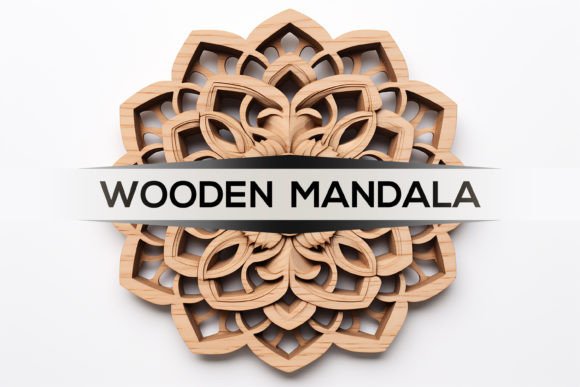
At its core, creative wooden art design is not merely about applying a wood texture to a surface; it is about invoking a sense of heritage, stability, and handcrafted luxury. When utilized correctly, elements like wooden flower mandalas or 3D mandala mockups serve as powerful communicators of brand values. They suggest attention to detail and a connection to nature, which resonates deeply with audiences aged 20 to 50 who increasingly value authenticity over mass-produced perfection.
For marketers and business owners, these designs function as versatile assets that can be deployed across various touchpoints. From a Wedding card mockup that sets the tone for a high-end event to a sign mandala design used in physical retail spaces, the application is broad. The key lies in recognizing that these are not static images but dynamic components of a larger visual identity system. By treating wooden art as a foundational layer rather than an afterthought, creators can ensure consistency across all deliverables.
Pre-Production: Selecting and Preparing High-Resolution Assets
The success of any project involving wooden art begins long before the final render is exported. It starts with the selection of appropriate source files. In a professional workflow, relying on low-resolution web images is insufficient. You need access to 4500x3000 pixel files at 300 DPI to ensure print-ready quality. This resolution is critical when producing physical items like invitation cards, signage, or packaging where pixelation can destroy the illusion of depth and texture.
When sourcing assets, prioritize files labeled as Fully Layered and containing Smart Objects. These technical specifications are not just buzzwords; they are workflow accelerators. A PSD file with smart objects allows you to double-click a layer, insert your own logo or text, and have it automatically conform to the lighting, shadows, and perspective of the wooden background. This capability drastically reduces the time spent on manual masking and shadow creation, allowing you to focus on the creative direction rather than technical grunt work.
- Compatibility Check: Ensure your software version supports the latest smart object features to avoid rendering errors.
- Color Profile Verification: Confirm that the asset uses CMYK for print projects or sRGB for digital displays to maintain color accuracy.
- Layer Organization: Look for files where layers are logically named (e.g., "Shadow," "Wood Texture," "Placeholder") to facilitate quick edits.
Execution: Customizing Designs for Specific Use Cases
Once you have secured high-quality, editable assets, the next phase is customization. This is where the concept of Creative Wooden Art Design transitions from a template to a bespoke solution. For wedding planners, this might involve taking a wooden flower mandala template and integrating the couple's initials using an elegant serif font that complements the grain of the wood. The goal is to create a Wedding cover Mockup that feels personal yet professionally curated.
For branding agencies, the process involves adapting abstract mandala patterns to fit a client's visual identity. You might adjust the hue of the wood to match corporate colors or modify the complexity of the floral mandala to align with a minimalist brand strategy. The availability of 100 Editable Text options in many premium packs means you can experiment with typography without breaking the composition. This flexibility is crucial when presenting multiple concepts to a client during the pitch phase.
Consider the context of use. If the design is intended for a mandala mock-up displayed on a website, you might enhance the contrast and saturation to make the details pop on screens. Conversely, for a physical sign mandala mockup, you would focus on ensuring the texture looks realistic under various lighting conditions. The ability to toggle visibility of different layers—such as dust particles, specular highlights, or deep grain lines—allows for fine-tuning that matches the specific environment where the final piece will live.
Workflow Integration: Connecting Design to Production
Efficient workflow management requires that design assets integrate smoothly with other tools and stages of production. Creative wooden art designs should not exist in a vacuum. They need to interact seamlessly with your project management software, cloud storage solutions, and collaboration platforms. When working with a team, having a centralized library of Fully Customizable PSD files ensures that every member is working from the same high-quality baseline.
Furthermore, these assets play a significant role in the decision-making process. Before committing to the expensive manufacturing of a wooden sign or the printing of thousands of wedding invitations, use digital mockups to validate the design. A realistic flower mandala mockup can reveal potential issues with legibility or color contrast that might not be apparent in a flat vector file. This step acts as a crucial quality control measure, saving resources and preventing costly reprints.
- Concept Validation: Use mockups to present realistic previews to stakeholders before approval.
- Iterative Refinement: Quickly swap out elements using smart objects to test different variations based on feedback.
- Final Handoff: Export high-resolution JPEGs for client approval and retain the layered PSDs for future archival or modification.
Maintaining Consistency and Long-Term Value
One of the challenges in using decorative elements like vintage or Luxury mandala designs is maintaining consistency across a campaign. As projects evolve, it is easy to drift away from the original aesthetic. To combat this, establish a style guide that defines how wooden textures and mandala patterns should be applied. Specify the acceptable range of wood tones, the minimum size for intricate details, and the appropriate pairing of fonts.
Long-term value is also derived from the versatility of the assets. A well-chosen creative wooden mandala can be repurposed months or even years later. The same base design used for a wedding invitation could be adapted for an anniversary card, a thank-you note, or a social media graphic. By investing in Easy to use and Help file-supported resources initially, you build a repository of assets that continues to yield returns. This approach supports sustainability in design by maximizing the utility of each purchased or created element.
Technical Considerations for Print and Digital Output
Understanding the technical constraints of your output medium is vital. While a screen can display millions of colors and subtle gradients effortlessly, print processes have limitations. When preparing a print ready file featuring complex wooden art design, pay close attention to the black levels and fine lines. Intricate arabic patterns or delicate floral cuts in a mandala may disappear if the resolution drops or if the ink bleeds. Always request a proof when dealing with textured backgrounds.
For digital applications, file size optimization is key. A 4500x3000 image is excellent for master files, but web delivery often requires compression. Ensure that the compression algorithm does not introduce artifacts that ruin the natural look of the wood grain. Balancing quality with load times is a standard part of the digital marketer's routine, and wooden textures, with their nuanced variations, are particularly sensitive to poor compression.
Conclusion: Elevating Projects Through Thoughtful Design
Incorporating Creative Wooden Art Design into your professional toolkit offers more than just aesthetic appeal; it provides a structured method for enhancing perceived value and emotional connection. By focusing on high-resolution, editable assets and integrating them thoughtfully into your pre-production and execution phases, you can streamline your workflow while delivering superior results. Whether you are crafting a Wedding card mockup or defining a branding identity, the strategic use of wooden elements and mandala patterns allows for a level of sophistication that stands out in a crowded marketplace. Embrace these tools not as shortcuts, but as foundational components of a robust, adaptable, and high-quality creative process.