Integrating the Gute Flower Motif into Professional Creative Workflows
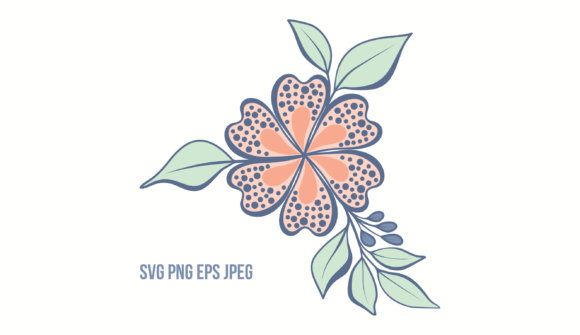
In the landscape of modern digital design and content creation, the selection of visual assets is rarely just an aesthetic choice; it is a strategic decision that impacts workflow efficiency, brand consistency, and project scalability. The Gute Flower represents a specific type of high-quality floral motif that bridges the gap between organic inspiration and technical utility. Inspired by nature, this design features a central six-petaled flower in soft peach with dark blue dotted accents, surrounded by light green leaves with distinct dark blue veining. While visually charming, its true value for professionals lies in how seamlessly it integrates into diverse production pipelines, from interior conceptualization to textile manufacturing and digital publishing.
For creators, marketers, and small business owners, understanding where a specific asset like the Gute Flower fits within a broader process is essential. It is not merely a decorative image to be dropped into a folder; it is a versatile component that can drive decisions before, during, and after a project's execution. By treating such assets as integral parts of a structured workflow, professionals can ensure higher quality control and more efficient resource management.
Strategic Selection and Pre-Production Planning
The integration of the Gute Flower begins long before the actual design work commences. In the planning phase, entrepreneurs and designers must evaluate whether this specific motif aligns with their project goals, target audience, and brand identity. The soft peach and dark blue color palette suggests a balance between warmth and professionalism, making it suitable for brands that wish to appear approachable yet grounded.
During this preparatory stage, the availability of multiple file formats—SVG, PNG, EPS, and JPEG—becomes a critical factor in decision-making. A robust workflow requires assets that are compatible with various tools and output mediums. For instance, if the project involves large-scale printing for textiles or interior wall coverings, the vector-based EPS or SVG files are indispensable. These formats allow for infinite scalability without loss of resolution, ensuring that the delicate dotted patterns on the petals and the fine veins on the leaves remain crisp regardless of the final size.
Conversely, for digital marketing campaigns, social media graphics, or web-based greeting cards, the PNG format with transparency support offers immediate usability. By assessing these technical requirements early, teams can avoid bottlenecks later in the process. This foresight prevents the common pitfall of having to recreate or trace assets mid-project, which wastes time and compromises consistency.
Implementation Across Diverse Mediums
Once the asset is selected and the technical specifications are confirmed, the Gute Flower moves into the active production phase. Its application varies significantly depending on the industry and the specific task at hand. The versatility of this motif allows it to function effectively in both physical and digital realms.
Textiles and Product Design
In the realm of textile design and product manufacturing, the repetitive nature of the Gute Flower makes it an ideal candidate for pattern creation. Designers can use the vector files to construct seamless repeats for fabrics, wallpapers, or packaging materials. The distinct contrast between the soft peach petals and the dark blue dots provides enough visual interest to stand out as a primary pattern, while the light green leaves offer a natural grounding element.
When implementing this motif in textiles, attention to color separation is vital. The specific shade of dark blue used in the dots and veins must be consistent across different batches of production. Using the EPS file within professional design software ensures that color codes (such as CMYK or Pantone) are accurately maintained, reducing the risk of color shifts during the printing process. This level of precision is crucial for maintaining brand integrity, especially for small business owners selling custom merchandise.
Digital Content and Marketing
For digital marketers, bloggers, and educators, the Gute Flower serves as a powerful visual anchor in content creation. The motif can be utilized to create cohesive branding elements for newsletters, e-books, and website headers. Because the design is clean and not overly cluttered, it works well as a background watermark or a focal point in promotional graphics.
The PNG format is particularly useful here, allowing the flower to be overlaid on various background colors without a white box surrounding it. This flexibility enables creators to adapt the asset to different seasonal campaigns or thematic shifts without needing to edit the original file. For example, the peach and green tones can be easily complemented with neutral backgrounds for a minimalist look or paired with bold colors for a more vibrant aesthetic. This adaptability supports rapid iteration, a key requirement in fast-paced digital marketing environments.
Interior Design and Spatial Planning
Interior designers and architects can leverage the Gute Flower to add subtle decorative elements to spatial concepts. Whether used in digital renderings to visualize a room's potential or printed directly onto decor items, the motif brings a touch of nature indoors. The six-petal structure offers a sense of symmetry and balance, which is psychologically comforting in living and working spaces.
In this context, the workflow involves integrating the asset into 3D modeling software or presentation boards. The high-resolution JPEG or vector files ensure that the details remain sharp in client presentations. By using a consistent floral motif across various touchpoints—from the logo on the door to the pattern on the upholstery—designers can create a unified narrative that enhances the overall user experience of the space.
Optimizing Workflow Efficiency and Organization
To maximize the utility of the Gute Flower, it is essential to establish a systematic approach to asset management. Professionals who handle multiple projects simultaneously benefit from organizing their libraries based on usage rights, file types, and project categories. Tagging the Gute Flower files with relevant keywords such as "floral," "peach," "vector," and "nature" ensures quick retrieval when a new project requires a similar aesthetic.
Furthermore, version control is a practical consideration. If modifications are made to the base file—such as adjusting the hue of the peach petals to match a specific brand guideline—it is important to save these as new versions rather than overwriting the original. This practice preserves the integrity of the source asset and allows for easy reversion if needed. Maintaining a clean file structure reduces friction in the creative process, allowing teams to focus on execution rather than troubleshooting missing or corrupted files.
Ensuring Quality Control and Consistency
As the Gute Flower moves through different stages of production, maintaining visual consistency is paramount. Whether the output is a digital greeting card or a printed fabric roll, the core elements—the dotted petals and veined leaves—must remain recognizable and true to the original design. Regular quality checks at key milestones help identify any discrepancies early.
For print projects, requesting proof copies before full-scale production is a standard best practice. This step verifies that the dark blue dots do not bleed into the peach petals and that the green leaves retain their intended vibrancy. In digital workflows, previewing assets on multiple devices ensures that the colors render correctly across different screens. These proactive measures protect the professional reputation of the creator and ensure the final deliverable meets high standards.
Long-Term Value and Adaptability
The true measure of a successful asset integration is its longevity. The Gute Flower, with its timeless botanical theme and balanced color palette, possesses the inherent flexibility to remain relevant over time. Unlike trendy graphics that may quickly become dated, this motif's connection to nature gives it enduring appeal.
Professionals can extend the lifecycle of this asset by repurposing it for different contexts. A pattern designed for a spring collection can be adapted for a wedding invitation suite or a corporate wellness brochure with minor adjustments. This ability to pivot and reuse assets maximizes return on investment and supports sustainable creative practices. By viewing the Gute Flower not as a one-off purchase but as a long-term resource, businesses and creators can build a cohesive visual language that evolves with their needs.
Ultimately, the effective use of the Gute Flower hinges on a thoughtful, process-oriented approach. From the initial selection of file formats to the final quality assurance checks, every step contributes to a smoother workflow and a superior end product. By prioritizing organization, compatibility, and strategic planning, professionals can harness the full potential of this charming floral motif, turning a simple design element into a cornerstone of their creative success.