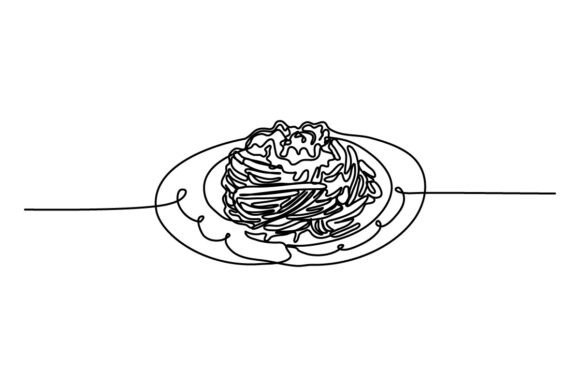
Mastering the Spaghetti One Continuous Line Design for Modern Menu Concepts
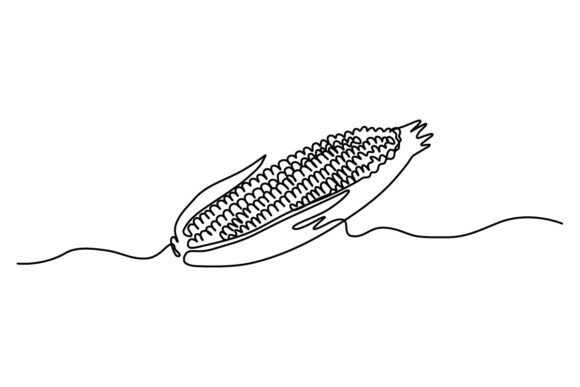
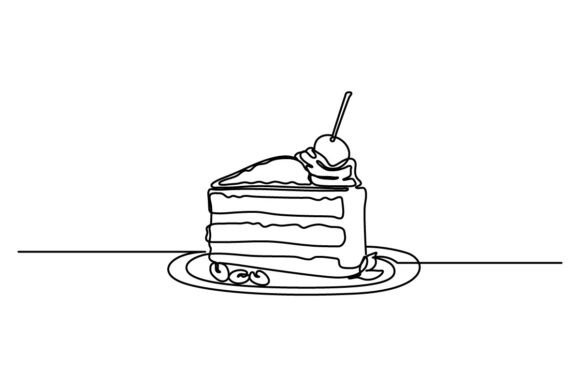
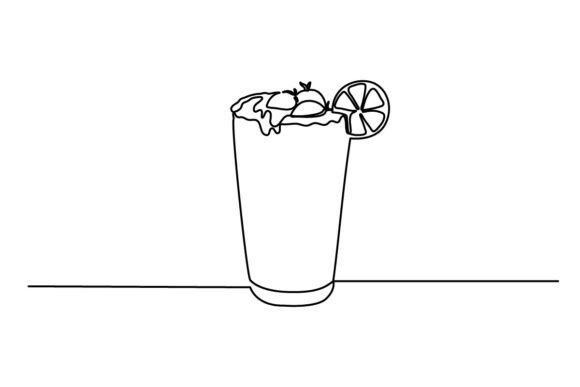
In the competitive landscape of restaurant branding, visual identity often dictates the first impression a potential customer forms. Among the myriad of design trends emerging in recent years, the Spaghetti One Continuous Line concept has carved out a unique niche. This artistic approach involves creating intricate illustrations—often of food items like pasta, noodles, or abstract culinary motifs—using a single, unbroken stroke. When applied to restaurant food menu design, this technique offers a blend of minimalism and complexity that captures attention without overwhelming the viewer. The result is a sophisticated aesthetic that suggests fluidity, continuity, and artisanal quality, making it an ideal choice for establishments looking to differentiate themselves through subtle yet impactful graphic elements.
The appeal of the one continuous line style lies in its deceptive simplicity. To the untrained eye, it may appear as a whimsical doodle, but in practice, it requires precise planning and execution. For designers and business owners alike, understanding how to integrate this specific asset into a broader workflow is essential. Whether you are a freelancer creating assets for a client, a small business owner updating your branding, or a marketer looking for fresh visual content, the utility of these designs extends far beyond mere decoration. They serve as versatile components that can be adapted across various mediums, from printed menus to digital signage and social media campaigns.
Integrating Continuous Line Art into the Design Workflow
Implementing the Spaghetti One Continuous Line design into a project requires a strategic approach to ensure compatibility with existing brand guidelines and production requirements. The process typically begins during the conceptual phase, where the goal is to determine how this specific artistic style complements the restaurant's overall theme. For instance, a modern Italian bistro might use a continuous line illustration of spaghetti to evoke a sense of tradition mixed with contemporary flair. In contrast, a fusion noodle bar might utilize the same technique to highlight the interconnectedness of different culinary cultures.
Once the concept is approved, the focus shifts to asset acquisition and preparation. When you purchase or commission these designs, you will typically receive a package containing multiple file formats: EPS, SVG, and JPG. Each format serves a distinct purpose within the production pipeline. Understanding the role of each file type is crucial for maintaining quality control and ensuring efficiency throughout the project lifecycle.
The SVG (Scalable Vector Graphics) file is perhaps the most critical for digital applications. Because it is vector-based, it allows for infinite scalability without any loss of resolution. This makes it perfect for responsive web design, where menu graphics need to look crisp on everything from a smartphone screen to a large desktop monitor. Furthermore, SVGs can be styled directly with CSS, giving developers the ability to change line colors or add hover effects dynamically. For marketers and bloggers, this means the asset can be easily integrated into landing pages or email newsletters without needing constant re-exporting from design software.
For print production, the EPS (Encapsulated PostScript) file is the industry standard. Professional printers rely on EPS files because they preserve the vector data necessary for high-resolution output. Whether you are printing a small batch of table tents or a large run of laminated menus, the EPS format ensures that the continuous line remains sharp and clean, free from the pixelation that often plagues raster images. This format is also highly compatible with professional design software like Adobe Illustrator and CorelDRAW, allowing designers to modify the stroke weight, adjust anchor points, or incorporate the line art into larger composite layouts seamlessly.
The JPG (Joint Photographic Experts Group) file serves as the raster counterpart, ideal for quick previews, social media posts, or situations where vector editing is not required. While JPGs are not scalable without quality loss, they are universally supported and easy to share. In a fast-paced workflow, having a ready-to-use JPG can save time when drafting mockups or creating preliminary presentations for stakeholders who may not have specialized design software installed.
Practical Applications Across Different Business Stages
The versatility of the Spaghetti One Continuous Line design allows it to be utilized at various stages of a business operation, not just during the initial branding phase. Before a restaurant even opens its doors, these graphics can be used in teaser campaigns to build anticipation. A series of minimalist posters featuring the continuous line spaghetti motif can create a mysterious and elegant buzz on social media platforms. The simplicity of the design encourages engagement, as viewers are drawn to trace the path of the line with their eyes, spending more time interacting with the content than they might with a cluttered photograph.
During the operational phase, the design becomes a functional part of the customer experience. On the physical menu, the continuous line acts as a decorative element that guides the eye without distracting from the text. Unlike heavy borders or complex backgrounds that can reduce readability, a white background with delicate line art maintains high contrast and clarity. This is particularly important for accessibility, ensuring that all customers, including those with visual impairments, can read the menu comfortably. The decorative elements drawn on a white background provide just enough visual interest to elevate the perceived value of the dining experience while keeping the focus on the food offerings.
Beyond the menu, this design asset can be extended to packaging, napkins, coasters, and even staff uniforms. Consistency in visual language reinforces brand recognition. When a customer sees the same continuous line motif on their takeout box as they did on the website, it creates a cohesive narrative that strengthens brand loyalty. For entrepreneurs and small business owners, this level of consistency is achievable without a massive budget, thanks to the adaptability of vector files. You can resize and recolor the asset to fit different substrates and printing methods, from embossing on leather menus to screen printing on cotton tote bags.
Optimizing Quality and Long-Term Usability
To maximize the long-term value of the Spaghetti One Continuous Line design, proper organization and file management are essential. When you receive the asset pack, it is advisable to create a structured directory system immediately. Separate the files by format and resolution, and include a readme file detailing the license terms and usage rights. This preparation prevents confusion later in the project when specific file types are needed urgently. For teams collaborating remotely, cloud storage solutions with version control can ensure that everyone is working with the latest and most appropriate version of the graphic.
Quality control is another vital aspect of integration. Before sending files to print, always perform a proof check. Even with vector files, issues can arise if stroke weights are too thin for certain printing techniques or if colors do not translate accurately from RGB to CMYK. The continuous line style relies heavily on the integrity of the stroke; if a printer cannot reproduce a fine line accurately, the entire illusion of continuity may be broken. Therefore, communicating with your print provider about the specific capabilities of their machinery is a necessary step in the planning process.
Furthermore, consider the evolutionary potential of the design. As the restaurant grows or changes its menu, the continuous line asset can be adapted rather than replaced. New dishes can be illustrated in the same style, creating a growing library of cohesive graphics. This scalability supports long-term branding strategies, allowing the visual identity to mature alongside the business. For educators and creators teaching design principles, this asset serves as an excellent case study in how restraint and simplicity can lead to powerful visual communication.
- Versatility: Suitable for both digital screens and high-resolution print media.
- Efficiency: Reduces design time by providing ready-made, professional-grade elements.
- Clarity: Enhances readability on menus by avoiding visual clutter.
- Adaptability: Easily modified to match changing color schemes or seasonal themes.
- Professionalism: Elevates brand perception through clean, intentional design choices.
In conclusion, the Spaghetti One Continuous Line design is more than just a trendy graphic; it is a functional tool that, when integrated thoughtfully, can streamline workflows and enhance brand identity. By leveraging the strengths of EPS, SVG, and JPG formats, professionals can ensure their visual assets are robust, scalable, and ready for any challenge. Whether you are refining a menu layout, launching a marketing campaign, or building a comprehensive brand guide, this continuous line concept offers a practical solution that balances artistic expression with operational efficiency. Embracing such targeted design resources allows creators and business owners to focus on what truly matters: delivering exceptional experiences to their customers.