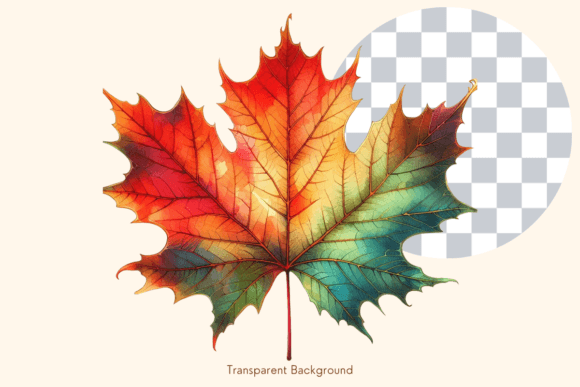
Unlocking the Artistic Potential of Autumn Maple Leaf Watercolor Cliparts for Modern Design
The transition from summer to autumn brings a profound shift in the visual landscape, characterized by a rich palette of burnt oranges, deep crimsons, and golden yellows. For designers, educators, and creative entrepreneurs, capturing this ephemeral beauty is often a central goal during the fall season. Autumn Maple Leaf Watercolor Cliparts serve as an essential bridge between traditional artistic expression and modern digital utility. These digital assets allow creators to infuse their projects with the warmth and nostalgia of the season without requiring the time-intensive process of creating hand-painted illustrations from scratch. By leveraging high-resolution watercolor elements, professionals and hobbyists alike can elevate their work with a touch of organic elegance that resonates deeply with audiences.
The Aesthetic Appeal of Hand-Painted Digital Elements
Watercolor painting has long been celebrated for its ability to convey lightness, transparency, and fluidity. When applied to botanical subjects like maple leaves, the medium captures the delicate veins and the subtle gradations of color that occur naturally as chlorophyll breaks down in the fall. A high-quality Autumn Leaf Watercolor Painting or Fall Leaf Watercolor asset replicates these nuances digitally. Unlike vector graphics, which can sometimes appear rigid or overly synthetic, watercolor textures offer a softness that feels inherently human and inviting.
The charm of these cliparts lies in their "hand-drawn" quality. Even though they are delivered as digital files, the best examples retain the imperfections and organic flow of a brushstroke on paper. This botanical authenticity makes them versatile across various design styles, from vintage and Victorian themes to modern and retro layouts. The interplay of wet-on-wet techniques seen in these images creates unique blends of orange, brown, and red hues that mimic the actual drying process of leaves on a forest floor. This level of detail ensures that the final output feels less like a stock image and more like a piece of curated nature art.
Technical Specifications and Quality Standards
When integrating digital art into professional workflows, technical specifications are paramount. A superior Fall Maple Leaf Painting clipart set is not just about the visual style; it is about the resolution and file format. Professional-grade assets are typically provided as PNG files with a transparent background. This transparency is crucial because it allows the leaf illustration to be layered over any color, texture, or photograph without an unsightly white box surrounding it.
Furthermore, the resolution determines the versatility of the image. High-quality downloads should offer a resolution of at least 300 DPI (dots per inch). For instance, a file sized at 10×10 inches at 300 DPI provides enough pixel density to be printed on large formats without losing clarity or becoming pixelated. This standard ensures that whether the image is used for a small sticker or a large wall poster, the edges of the foliage remain crisp and the watercolor textures remain distinct. Low-resolution images may suffice for web thumbnails, but they fail when applied to physical products, making the 300 DPI standard a non-negotiable requirement for serious creators.
Diverse Applications in Commercial and Personal Projects
The utility of Autumn Maple Leaf Watercolor Cliparts extends far beyond simple document decoration. Their adaptability makes them a cornerstone for various commercial ventures, particularly in the realm of Print on Demand (POD) and handmade goods. Because these images are isolated elements, they can be easily incorporated into complex designs or used as standalone motifs.
- Apparel and Fashion: The organic shapes of maple leaves translate beautifully onto fabric. Designers frequently use these clips to create seasonal t-shirts, hoodies, and scarves. The watercolor style adds a feminine and elegant touch that appeals to consumers looking for trendy yet timeless fall fashion.
- Home Decor and Stationery: From greeting cards for Thanksgiving to decorative pillows and wall art, these illustrations bring the outdoors inside. A Fall Leaf Print can serve as the focal point of a gallery wall or be embossed onto high-quality paper for wedding invitations held in September or November.
- Accessories and Gifts: Small-scale applications include mugs, tote bags, and phone cases. The high contrast of the vibrant leaf colors against white or neutral backgrounds makes them ideal for stickers and labels, adding a chic element to packaging for small businesses.
- Digital Media: Beyond physical prints, these assets are invaluable for web design, social media graphics, and digital planners. They help establish a seasonal mood for blogs, online stores, and marketing campaigns.
Enhancing Educational and Creative Workflows
Educators and researchers also find significant value in high-fidelity botanical illustrations. In a classroom setting, leaf watercolor images can be used to teach biology concepts regarding plant life cycles, photosynthesis, and seasonal changes. The artistic rendering often highlights structural details better than a photograph, which might be cluttered with background noise. For students working on science projects or art portfolios, these cliparts provide a professional base upon which they can build their own interpretations or analyses.
For hobbyists and DIY enthusiasts, the availability of pre-made hand-painted elements democratizes the design process. Not everyone possesses the skills to paint a realistic maple leaf, but everyone can arrange a pre-existing element into a beautiful composition. This accessibility encourages creativity, allowing individuals to focus on layout, typography, and color theory rather than struggling with brush control. It fosters a community of makers who can produce decorative items that look professionally crafted.
Strategic Considerations for Licensing and Usage
While the aesthetic and technical benefits of these cliparts are clear, understanding the licensing terms is critical for business owners and professionals. Most digital marketplaces distinguish between personal and commercial use. A standard license often permits the user to print the design on physical products for sale, such as shirts, hats, and cups. However, it is generally prohibited to resell the digital file itself or claim the original artwork as one's own creation.
Creators must ensure that their usage aligns with the specific terms provided by the artist or store. For example, using a Fall Leaf Watercolor to create a logo might require an extended license, whereas using it as part of a larger pattern on a scarf usually falls under standard commercial rights. Respecting these boundaries supports the ecosystem of digital artists, ensuring they continue to produce high-quality resources like branch arrangements and floral sets. Furthermore, providing feedback to the creator, as encouraged by many stores, helps improve future products and builds a relationship between the buyer and the artist.
The Role of Seasonal Trends in Design Longevity
Design trends are cyclical, and the appreciation for autumn aesthetics returns with reliability every year. However, the specific style within that trend evolves. Currently, there is a strong preference for vintage and traditional looks that evoke a sense of nostalgia. Watercolor fits this demand perfectly, offering a romantic and soft alternative to the bold, flat colors of previous years. By choosing Autumn Maple Leaf Watercolor Cliparts that feature dry textures and natural arrangements, designers create work that feels current yet classic.
This longevity is a key advantage for inventory management in retail. A well-designed product featuring a generic yet beautiful maple leaf does not become obsolete after a single season. Unlike designs tied to a specific year or fleeting pop-culture reference, nature-inspired art remains relevant. A garden-themed collection or a natural motif can be marketed repeatedly, providing a sustainable return on investment for those who sell printed goods.
Maximizing Impact Through Composition and Context
To truly leverage the potential of these cliparts, one must consider how they interact with other design elements. A single isolated leaf can be powerful, but combining multiple elements to create an arrangement often yields more dynamic results. Layering different shades of orange and brown leaves, perhaps interspersed with branch elements or subtle flower accents, can create depth and visual interest. Typography plays a crucial role here; pairing the soft edges of watercolor with clean, modern sans-serif fonts creates a striking contrast, while script fonts enhance the elegant and feminine qualities of the art.
Context is also key. When designing for Thanksgiving, the imagery might be paired with warm, earthy tones and themes of harvest and gratitude. For a September back-to-school theme, the same leaves might be used in a brighter, more energetic layout. Understanding the emotional resonance of the outdoors in fall—coziness, reflection, and change—allows designers to use these assets more effectively. The goal is to evoke a feeling, not just to display an image.
In conclusion, Autumn Maple Leaf Watercolor Cliparts represent a fusion of artistic tradition and digital convenience. They offer a high-resolution, versatile solution for anyone looking to capture the essence of fall in their work. Whether for a professional designer creating a brand identity, an educator illustrating a lesson, or a small business owner launching a new line of holiday gifts, these assets provide the necessary tools to create stunning, high-quality results. By adhering to technical standards, respecting licensing agreements, and applying thoughtful design principles, users can transform simple PNG files into impactful visual stories that celebrate the beauty of the natural world.